Health Supplements.
DIETARY SUPPLEMENTS -Health & Wellness.
Dietary supplements play a significant role in enhancing health and wellbeing, supported by extensive scientific research. Numerous studies have identified several key supplements that can aid in health adaptation, cognition, mood and general wellbeing. Below is a mini review of some key dietary supplements that are noteworthy for all health enthusiasts alike.
Boost your Body & Mind with nutrients, such as Magnesium, vitamin D, Krill Oil, Turmeric, ashwagandha and vitamin /Minearals.
Magnesium can actually reverse the detrimental effects of stress on your brain, and it has the potential to increase your memory and cognitive function significantly. In addition to these benefits, magnesium is also vital to the production of ATP, the energy currency of our cells, so when magnesium levels are low, it can result in reduced brain energy and overall cognitive performance.
Vitamin D3-K2 is also a great and beneficial supplement for your bone growth, bone remodeling, regulating muscle contractions, and converting food into energy as well as brain health and cognitive function.. It helps protect you from free radical damage, which can decrease your cognitive performance.
Omega 3 and/or Krill oil, which is packed with DHA, EPA and Astaxanthin, keeps the neurons in your brain communicating freely. Better communication in your nervous system obviously means that you’re brain functions is enhanced. Your cognition is improved, hence clearer thoughts and better memory.
Turmeric is a spice frequently used in Indian food. It contains curcumin, which is great for your brain. Curcumin is an antioxidant that travels easily from your blood to your brain, and like vitamin D, it helps protect your brain from free radical damage.
Ashwagandha, often referred to as the "king of herbs," is an adaptogenic herb that has been used for centuries in traditional Ayurvedic medicine. Known for its numerous health benefits, ashwagandha may help reduce stress and anxiety, enhance mental clarity, and promote overall well-being. This remarkable plant is believed to support the body’s ability to cope with physical and emotional challenges, making it a valuable addition to any wellness regimen. By incorporating ashwagandha or similarly with Shilajit for your daily routine, you may help unlock greater resilience and vitality for your life. A high-quality vitamin and mineral formula can help lower homocysteine levels, offering a range of benefits for cardiovascular, cognitive, and overall long-term health. Below we delve into some of main aspects around supplements which have many many years of research which have some key benefits.
1. Creatine
Creatine is a naturally occurring compound that plays a crucial role in energy production within the body, particularly during high-intensity exercise. It is found in small amounts in certain foods, particularly animal products, and can also be synthesized from amino acids in the body. As a supplement, creatine is widely recognized for its ability to enhance athletic performance and support muscle growth, making it one of the most studied and effective supplements in the sports nutrition field.
The primary mechanism by which creatine exerts its effects is through the replenishment of adenosine triphosphate (ATP), the body’s main energy carrier. During intense exercise, ATP provides the energy necessary for muscle contractions. By increasing the availability of phosphocreatine—a stored form of creatine in muscle tissue—supplementing with creatine can lead to improved strength, power, and overall athletic performance.
In addition to performance benefits, creatine has been linked to various health benefits. Research suggests that it may have neuroprotective properties, which could be beneficial for cognitive health, particularly in aging populations. Furthermore, creatine has been shown to aid in muscle recovery, reduce muscle soreness, and improve endurance in repetitive high-intensity efforts.
For individuals looking to incorporate creatine into their regimen, it is typically recommended to undertake a loading phase, consuming higher doses for a short period before transitioning to a maintenance dose. Adequate hydration is essential when supplementing, as creatine can draw water into the muscles, and proper dosage should be tailored to individual body weight and specific goals.
As with any supplement, it is advisable to consult with a healthcare professional before beginning a creatine regimen, particularly for those with underlying health conditions or those who are pregnant or breastfeeding.
Creatine is widely recognized for its ability to enhance strength and power output during high-intensity training. It aids in the replenishment of adenosine triphosphate (ATP), the primary energy carrier in cells, allowing athletes to perform at their best during short bursts of activity. Additionally, creatine supports muscle recovery post-exercise, making it invaluable for those engaged in rigorous training regimens. So creatine boosts ATP production to fuel your muscles, and emerging research shows it also sharpens cognitive function, especially under stress and fatigue.
2. Omega-3 Fatty Acids
Omega-3 fatty acids, found in fish oil and algae supplements, possess anti-inflammatory properties that can reduce muscle soreness and support joint health. Their consumption has been linked to improved cardiovascular health and may enhance exercise performance by aiding recovery and reducing exercise-induced inflammation.
omega-3 supplements—such as fish, krill, and algal oils—at the top of recommended supplement lists. After all, EPA and DHA are nutrition all-stars. They are well-known for supporting:
Heart health — supporting robust cardiovascular function for long-term vitality
Brain health, cognitive function, and mood — promoting mental clarity, focus, and emotional balance
Eye health and vision — maintaining sharp sight and visual comfort throughout daily life
Skin health — nourishing skin resilience, texture, and a healthy appearance
Immune function — strengthening natural defenses to help protect overall wellness
Metabolic function — supporting healthy energy regulation and balanced metabolic processes
A healthy inflammatory response — encouraging controlled, appropriate inflammation for recovery and healing
Recent research shows DHA and EPA may slow aging. Studies find they can raise metabolism, increase muscle that burns calories, and boost fat burning.
People often treat DHA and EPA as the same, but they’re different. Each has distinct roles and benefits.
EPA is linked to mood—supplementing EPA can improve wellbeing and reduce aggression. DHA, however, is far more abundant in body tissues, especially brain and eyes, where it outnumbers EPA by hundreds to one. DHA improves memory and reaction time and raises brain-derived neurotrophic factor (BDNF), which supports brain health, mood, and cognition. DHA may also be better than EPA for heart health and controlling inflammation.can convert it, on an as-needed basis, to EPA. However, the opposite is NOT true, meaning that the body can’t convert EPA to DHA.
Based on the current body of research, a good recommendation is to take at least 500 – 1000mg (possibly as high as 2000mg) of DHA daily, and it’s a good idea to complement that with regular consumption of oily fish (e.g., wild salmon, sardines, mackerel, anchovies, oysters, mussels).
3. Vit D3-K2
Replenishment of vitamin D3-K2 is especially important to supplement, particularly in Northern Hemisphere countries where sunlight exposure can be significantly limited during certain times of the year, most notably throughout the winter months. An insufficiency or deficiency in these vital nutrients can negatively affect several key areas of health, including immune function, bone density, hormonal balance, and overall muscle strength and recovery.
Supplementing with Vitamin D3 There are only 3 ways you can get vitamin D: - Sun exposure - - Food Sources Supplements Before supplementing with vitamin D3, you should make sure you’re getting sufficient sun exposure every day and eating enough food sources of D3. You should also consider getting your levels tested.
By ensuring adequate levels of vitamin D3-K2 through thoughtful supplementation, individuals can proactively support their general well-being and meaningfully enhance both their physical performance and mental resilience.
Vitamin D3 forms in skin when sun UVB breaks 7‑dehydrocholesterol into pre‑D3, which heat turns into D3. No enzymes are involved in this skin step. D3 is then converted to calcidiol (25‑OH D3) mainly in the liver, and to the active form calcitriol (1,25‑(OH)2 D3) mainly in the kidneys by CYP enzymes. Calcitriol binds the vitamin D receptor (VDR), influences gene activity, and affects many body processes—an epigenetic effect because it changes gene expression, not the DNA sequence. In short: sun makes D3 in the skin, the liver and kidneys activate it, and the active form controls genes and body functions.
Vitamin D keeps calcium levels steady but doesn’t direct where calcium goes. Vitamin K:
Promotes calcium deposition in bones and teeth.
Prevents calcium buildup in soft tissues (blood vessels, kidneys).
Together, vitamins D and K2 ensure calcium ends up where it’s needed. K2 main forms: MK4 and MK7; MK7 is the more bioactive—prefer MK7 with vitamin D. Sources: leafy greens, fermented legumes/vegetables, liver, egg yolk, cheese.
Vitamin D from the sun: Researchers found that one full-body exposure to UV radiation that causes slight pinkness in the skin — which they called the minimum erythemal dose (1 MED) — is roughly equivalent to supplementing with 10,000–25,000 IU of vitamin D. That’s a substantial amount. We certainly can produce adequate vitamin D in our bodies from sensible sun exposure, but it’s important to be intentional about making this a regular part of our routine. More recent guidance suggests that about 15 minutes of midday sun exposure, or until the skin shows a faint pinkness, between roughly 10 a.m. and 3 p.m. can generate approximately 3,000 IU of vitamin D. An added benefit is that vitamin D synthesized in the skin tends to persist in the bloodstream about twice as long as vitamin D obtained from dietary sources.
4. Magnesium
Magnesium plays an integral role in supporting various essential functions, including muscle function, brain activity, neurological processes, hormonal balance, and overall energy production. Ensuring adequate levels of magnesium, and specifically utilizing the Glycinate form, is crucial as it boasts over 200 distinct biochemical functions within the body. By incorporating magnesium supplementation into your routine, you can effectively enhance recovery, better sleep and facilitate a better adaptation to the stresses associated with life. This not only supports fitness goals but also promotes overall well-being.
Why is magnesium important:
Magnesium is vital and many people don’t get enough. Here are how it works:
Energy production Magnesium is needed for enzymes that make ATP, the cell’s energy molecule. ATP is stored as MgATP. Low magnesium → less ATP → low energy and fatigue.
Nerve signals Magnesium helps control calcium flow into neurons, keeping nerve firing steady. Without it, nerves can become overactive, contributing to ADHD symptoms and poor sleep. It also affects NMDA receptors and glutamate, which influence brain connections and function.
Muscles and heart More than a third of body magnesium is in muscles. It’s essential for muscle contraction and normal heart function.
Magnesium helps both muscles and nerves by controlling the movement of charged ions in and out of cells. This ion movement creates the electrical signal that makes the heart pump. Calcium makes muscles contract; magnesium limits calcium’s entry into muscle cells so muscles can relax. Low magnesium causes cramps, muscle pain, fibromyalgia, and heart rhythm problems. It also affects blood pressure because magnesium helps make nitric oxide, which widens blood vessels, so deficiency often links to hypertension.
Protein synthesis: Magnesium is needed to turn amino acids into proteins and to repair DNA, RNA and molecules like glutathione.
Mental health and sleep: Low magnesium contributes to anxiety and depression and poor sleep. Magnesium is required at each step to make mood and sleep-related chemicals—serotonin, melatonin, dopamine and noradrenaline—so deficiency disrupts these hormones.
Magnesium deficiency — symptoms and causes
Mild:
Loss of appetite, nausea
Headache, brain fog
Fatigue
Eye twitching
Chocolate cravings
Severe:
Arrhythmias
Muscle cramps
Fibromyalgia
Numbness & tingling
About 75% of Americans are magnesium-deficient (≈3 in 4). Average intake ≈250 mg/day, below the RDA—due to nutrient-depleted soils, low consumption of magnesium-rich foods, and high intake of refined, processed, sugary foods. The standard American diet greatly increases deficiency risk.
5. Protein Supplements
Protein is essential for muscle repair and growth. Supplements such as whey, casein, and plant-based proteins can significantly aid recovery by supplying the body with the necessary amino acids required for muscle synthesis. Regular intake of protein post-workout facilitates quicker recovery, enabling consistent training cycles for athletes.
Whey protein, probiotics, gelatin, Collagen, beetroot juice, and curcumin/tart cherry juice could help athletes train and/or compete more effectively.
These all should be included into a clean focussed nutrient dense dietary regime so as to maximize potential.
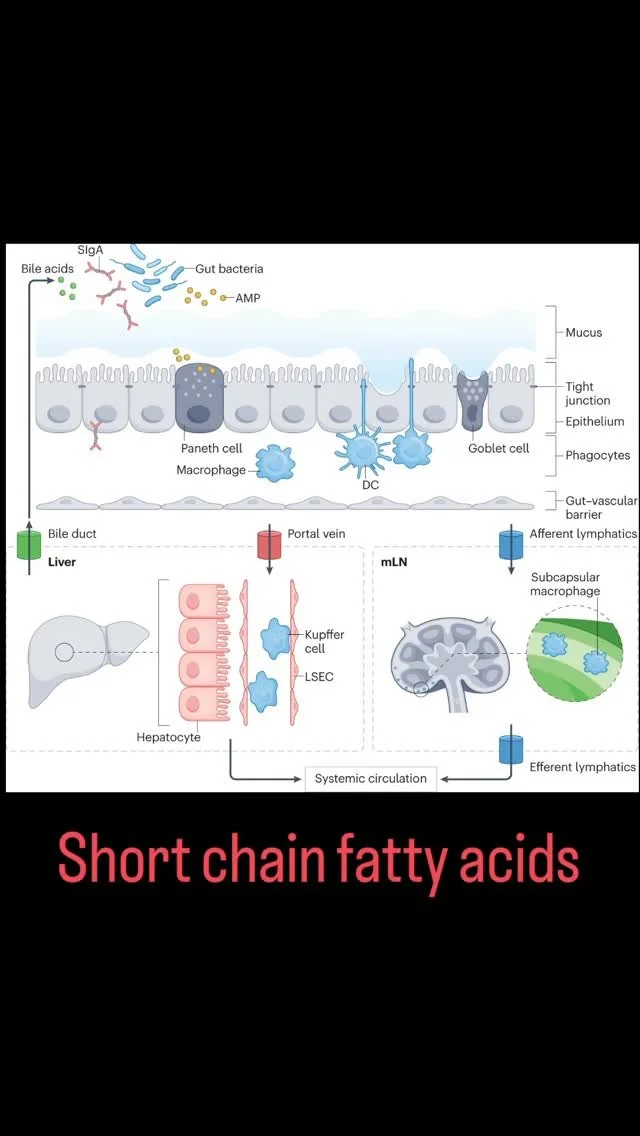
Pre- and probiotic supplementation to support and maintain a healthy, support a diverse gut microbial balance and promote consistently optimal digestive function and overall gut health.
6. Electrolytes — essential minerals that help regulate hydration, nerve function, and muscle performance.
Electrolytes can make a noticeable difference when fluid loss contributes to daily body function and can help with the midday or afternoon energy slump. If you trained earlier, traveled, sweated heavily, or spent prolonged time in hot conditions, dehydration can affect more than just your sense of thirst. Sodium, potassium, magnesium, and other electrolytes play essential roles in regulating fluid balance, supporting nerve signaling, and maintaining optimal muscle function and overall cellular performance.
Situations involving heat exposure, heavy sweating, intense training sessions, long travel, or generally low fluid intake.
Typical dose: Varies according to individual sweat rate, dietary sodium intake, and total sodium losses.
Timing: Use during periods of increased fluid and electrolyte loss or when you expect prolonged sweating.
Research supports this: a meta-analysis on dehydration and cognition reported measurable declines in attention, executive function, and other domains of mental performance, underscoring how even modest fluid deficits can impair thinking and task performance. Electrolyte supplementation is most appropriate when your fluid and mineral losses justify it — if you already maintain good hydration and a balanced mineral intake, a high‑sodium drink is unlikely to resolve a slump on its own and may offer little benefit beyond regular water and a nutrient‑rich diet.
Dietary supplements are widely recommended to aid overall health and wellbeing, and a wealth of good data along with thorough scientific research robustly supports this assertion. Many dietary supplements lay claim to being ergogenic in nature; with numerous sport and health-related scientific studies carried out, compelling evidence is now mounting toward several supplements in particular. These specific supplements may have the potential to enhance health, improve adaptation to exercise and general activily of daily living, or facilitate recovery from injuries. In this review, we described several dietary supplements that may contribute to improved health, or optimal recovery following physical activity. Again as with any supplement, it is advisable to consult with a healthcare professional before beginning, particularly for those with underlying health conditions or those who are pregnant or breastfeeding.
Remember:
Alcohol depletes Magnesium, Thiamine to a large degree. Coffee depletes sodium and key electrolytes, iron, taurine, thiamine, potassium.
Tea depletes Iron and thiamine. Make sure you replenish.
Shilajit-
Shilajit has been studied for several potential health effects, but the human evidence is still relatively limited compared with established nutrients and medicines. The strongest areas of interest are energy/metabolism, male reproductive health, and exercise/recovery.
Potential benefits of purified shilajit
1. Energy and fatigue
- Shilajit's fulvic substances and other compounds may influence cellular energy metabolism.
- Some research suggests possible improvements in subjective fatigue and physical energy.
- Claims that it directly "boosts mitochondria" are plausible mechanistically but stronger human evidence is still needed.
2. Exercise performance and recovery
- Small clinical studies have reported improvements in measures associated with muscular strength, fatigue and recovery.
- It is being investigated particularly for resistance training and physical performance.
- It shouldn't be considered a replacement for adequate protein, nutrition, sleep and training.
3. Testosterone and male reproductive health
- This is one of the more extensively studied areas.
- Some controlled studies of purified shilajit have reported increases in total and/or free testosterone in men.
- There is also research investigating sperm concentration, motility and reproductive parameters.
- The studies are relatively small, so these findings shouldn't be interpreted as proof that shilajit treats low testosterone or infertility.
4. Antioxidant and cellular protection
- Fulvic substances and other constituents have antioxidant activity in laboratory research.
- This may help explain interest in shilajit for oxidative stress and cellular protection.
- However, laboratory antioxidant activity doesn't automatically translate into a clinically meaningful antioxidant effect in humans.
5. Mineral and micronutrient contribution
- Shilajit naturally contains numerous minerals and trace elements.
- However, the amounts vary substantially between sources, and it shouldn't generally be viewed as a reliable replacement for a balanced diet or a properly formulated mineral supplement.
6. Cognitive and neurological health
- Laboratory and early human research is investigating shilajit's potential effects on memory, cognition and neurological function.
- Fulvic compounds are of particular interest because of their interactions with proteins and metals.
- This area remains investigational rather than an established health benefit.
7. Metabolic health
- Preliminary research has investigated effects on blood glucose, lipid metabolism and metabolic markers.
- There isn't currently enough high-quality evidence to regard shilajit as a treatment for diabetes, obesity or metabolic disease.
The quality of the shilajit is critical. Raw or poorly purified shilajit can contain heavy metals and other contaminants, so the evidence from studies using a specific purified preparation cannot automatically be applied to every shilajit product on the market.
Spirulina as a health supplement:
Spirulina is a nutrient-dense blue-green cyanobacterium (often called blue-green algae) typically sold as a powder, tablet, or capsule. It is popular for its high protein content, array of minerals, and several antioxidant compounds, which contribute to its reputation as a health-boosting ingredient. However, its purported benefits are sometimes overstated in marketing and anecdote. Spirulina can be a useful addition to a balanced, varied diet and may offer supportive nutritional value, but it is not a substitute for diverse whole foods, and robust evidence that it prevents or treats specific diseases remains limited.
What are the benefits?
Nutrients and protein Spirulina is high in protein by dry weight and contains phycocyanin, which gives it a blue‑green colour. Typical supplement doses are small, so it adds little protein overall.
Antioxidant and anti‑inflammatory effects Phycocyanin shows antioxidant and anti‑inflammatory activity in lab studies. Small human trials hint at benefits, but evidence is too weak to confirm lasting effects.
Cholesterol, blood pressure and blood sugar Some studies report small improvements in cholesterol, triglycerides, blood pressure or blood sugar. Results are mixed, and spirulina should not replace prescribed treatments or healthy habits.
General wellbeing and energy Spirulina is sold for energy, immunity and reducing fatigue, but there’s not enough proof it reliably helps healthy people.
How much to take There’s no set therapeutic dose. Common supplement amounts are 1–3 grams daily; some studies use more. Start low (for example 1 g/day) to check tolerance. Take with food if it causes nausea. Follow the product label — higher doses aren’t necessarily better.
Note: Spirulina contains some B vitamins but is not a reliable source of vitamin B12 for vegans.Side effects and safety
Spirulina is usually tolerated well, but take precautions.
Digestive symptoms May cause nausea, bloating, diarrhea, or stomach upset.
Contamination Low-quality products can contain microcystins, which harm the liver and kidneys.
Autoimmune conditions If you have an autoimmune disease, talk to your doctor first.
Pregnancy and breastfeeding Not enough evidence to recommend routine use—ask a professional.
Medication interactions Check with a pharmacist or doctor if you take regular meds, especially blood thinners or diabetes drugs.
Choose products that:
Provide independent, batch-specific testing or a certificate of analysis
Give clear source and manufacturing details
Avoid vague proprietary blends and cure claims
Organic labels help but don’t guarantee no contaminants.
Dietary supplements offer valuable support for improving health and wellness, facilitating exercise adaptation, and enhancing recovery. Each supplement serves a distinct purpose and provides specific benefits, underscoring the importance of selecting a supplementation strategy tailored to individual needs, goals, and lifestyle. As the body of scientific evidence continues to grow, informed choices about supplementation can meaningfully enhance athletic performance, resilience, and overall wellbeing. It is advisable for individuals to consult with qualified healthcare or nutrition professionals before initiating any supplement regimen to ensure safety, appropriateness, and optimal outcomes.
International journal sport nutrition and exercise metabolism-
https://www.ncbi.nlm.nih.gov/pubmed/29345167/
Disclaimer: This guide gives general information about medicine and health, not medical advice. The content here and in any links should not replace advice from a licensed doctor. If you have a medical concern, consult a doctor. Do not ignore or delay professional medical care because of something you read here. If you may have a medical emergency, call your doctor or 911 immediately. The views here are the authors’ own and do not reflect any institutions they may be affiliated with.